
Ichinokura House was designated a protected garden in 1974 under the Morioka City Ordinance on the Conservation of the Natural and Historical Environment. This sukiya-style residence and its strolling garden were created in the late Meiji period by Hiroshi Abe, a politician from Morioka. The property was later transferred to the Ichinokura family and, following requests from local residents that it be preserved, was acquired by the City of Morioka. Located in Abedate, an area with deep ties to the Oshu Fujiwara clan, the grounds feature maple trees more than 100 years old that were transplanted from Kyoto, as well as Chuson-ji lotus plants propagated from the original stock. Rich in history and character, the property is a popular place to relax and can be visited free of charge. Visitors can enjoy Chuson-ji lotus blossoms in summer, autumn foliage, and the Hina Asobu event in spring, with something to appreciate in every season.
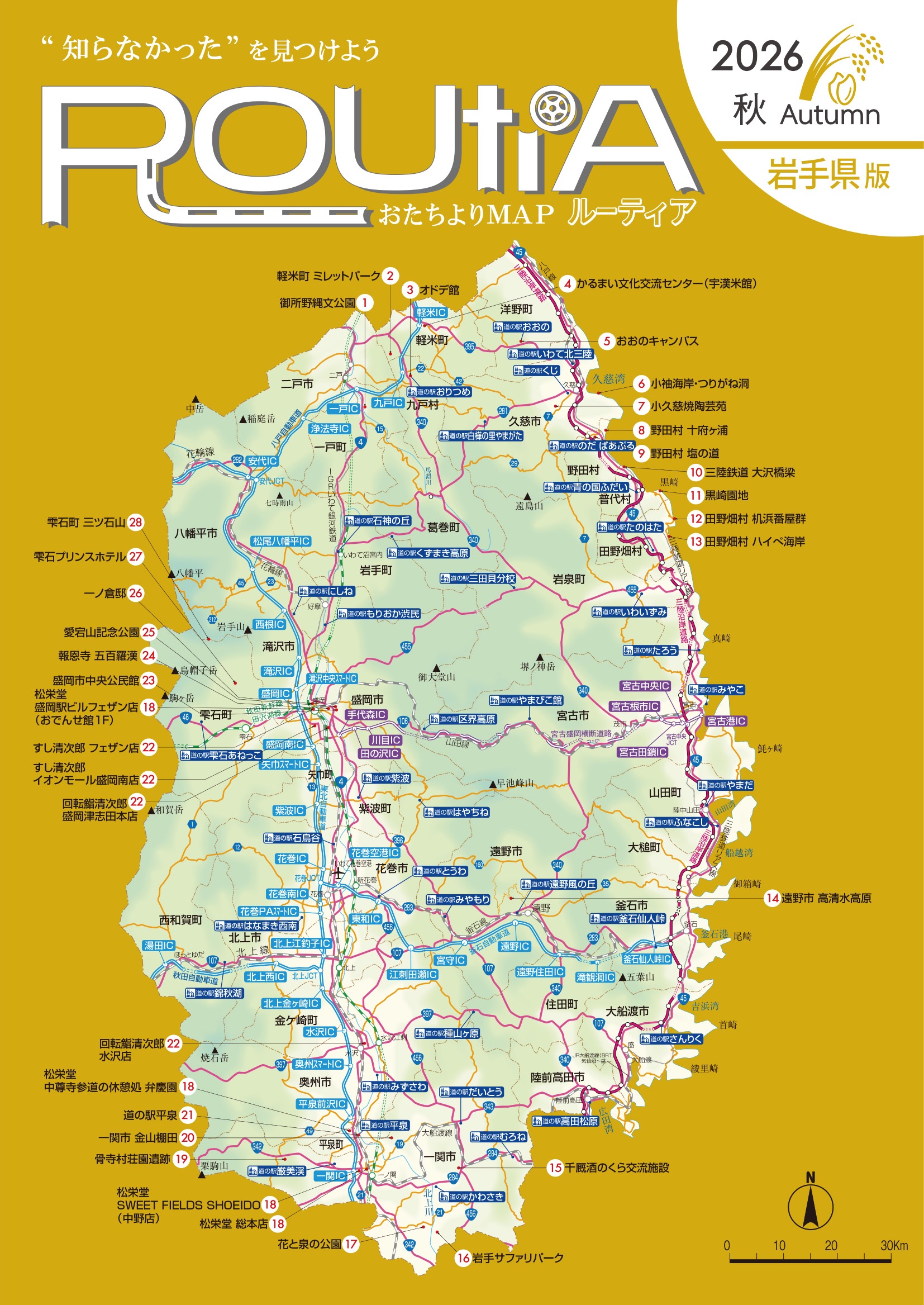
Hand-picked sightseeing spots in this issue
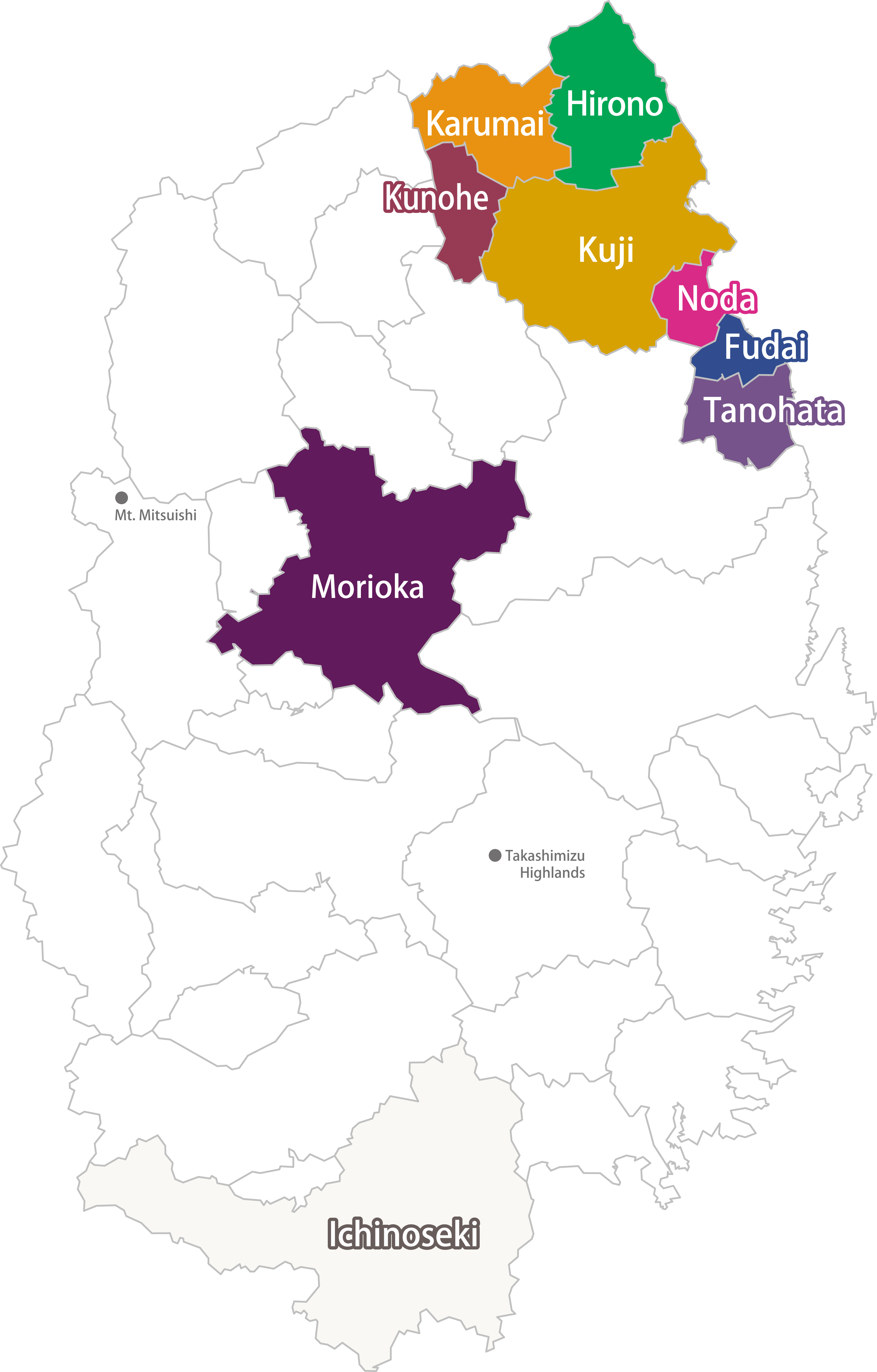
Recommended Area in This Issue
Recommended spots featured in this issue
Morioka City
Ichinoseki City
Kuji City・Hirono Town・Noda Village・Karumai Town・Kunohe Village・Fudai Village・Tanohata Village
Discover Beloved Landmarks
Morioka City


Atagoyama Memorial Park
Located on Mt. Atago, next to central Morioka, Atagoyama Memorial Park sits on a low hill 196 meters above sea level. A favorite place for local residents to relax, it features an observation deck with panoramic views over Morioka and quiet nature trails. The observation deck is the park’s main attraction, overlooking the city and surrounding mountains. Because the park is peaceful and relatively uncrowded, it is also known as a hidden gem for night views of Morioka. Along the nature trails are stone monuments inscribed with poems by poets associated with Morioka, including Michizo Tachihara, allowing visitors to enjoy the city’s history and literature as they walk. The park is a 15–20-minute walk from the Morioka City Central Community Center via the Kitayama Walking Trail.
Autumn in Morioka
From September through November, Morioka quietly moves from early autumn into late autumn. In September, the colorful floats of the traditional Morioka Autumn Festival brighten the streets, heralding the start of the harvest season. By late October, the stone walls of Morioka Castle Ruins Park and the gardens of historic residences take on autumn hues, lending the old castle town an even more tranquil atmosphere. In the clear waters of the Nakatsu River, which flows through the city, you may also see salmon that have returned from the sea making their determined way upstream. As the weather turns colder, a warm bowl of jaja noodles or hearty hittsumi soup will gently warm both body and soul during a stroll.
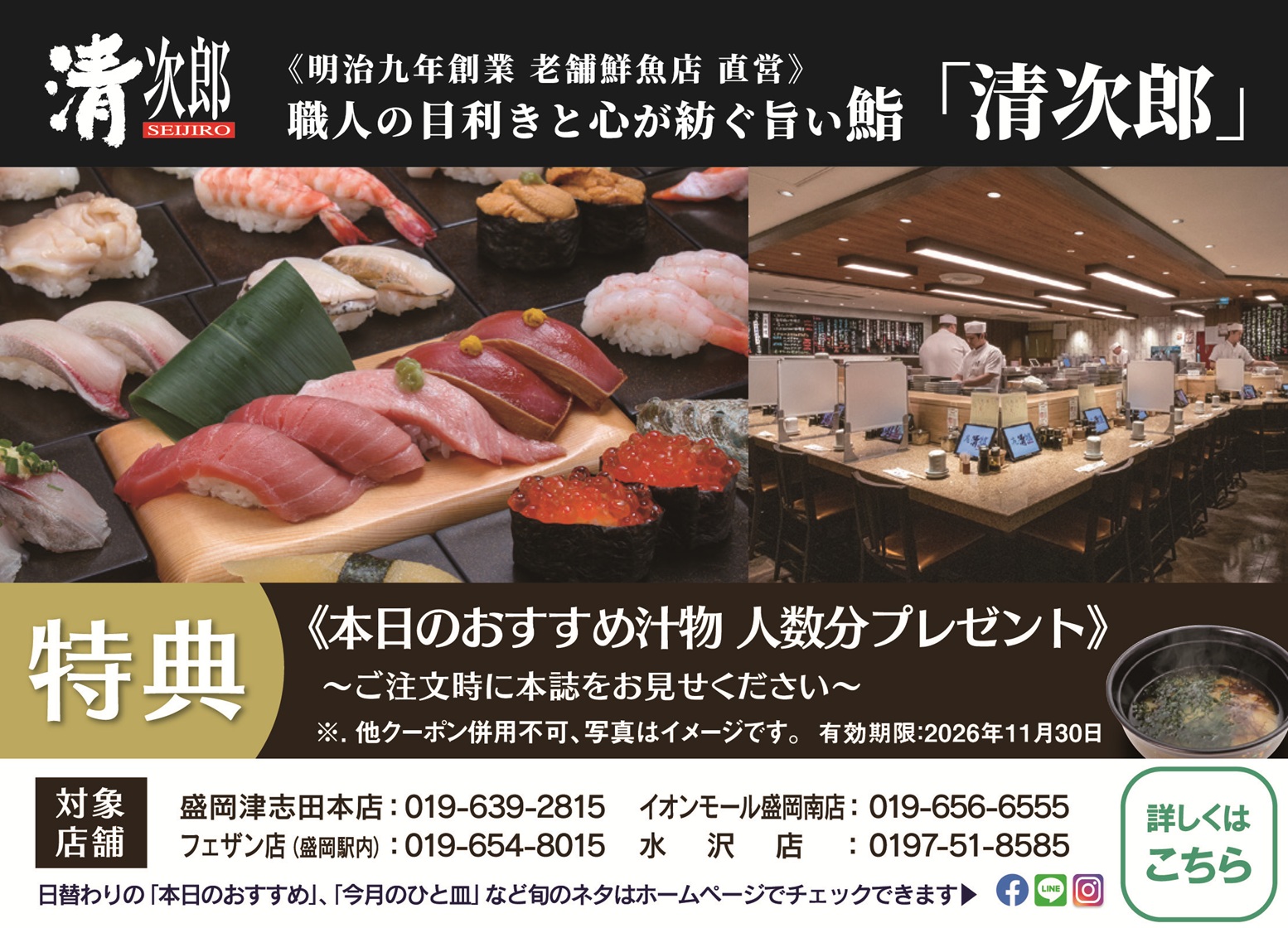
Sushi Seijiro Fezan Branch (Morioka Station Basement)
Seijiro is a sushi restaurant operated directly by a fishmonger, with roots in Tasei Fish Shop, founded in 1876.
Every morning, the group’s seafood wholesaler, Tasei Suisan, procures carefully selected fish from markets and suppliers across Japan. The fresh fish, chosen with an expert eye, is then prepared piece by piece by skilled sushi chefs.
At the All-Japan Conveyor-Belt Sushi MVP Championship, which determines Japan’s top conveyor-belt sushi chef, competitors are judged not only on speed but also on the beauty and precision of their nigiri and rolls and on their overall technique. Seijiro has produced winners two years running, in 2025 and 2026. Combining the discerning eye honed through its fishmonger heritage with the skill of its sushi chefs, Seijiro serves delicious sushi.
Recommended Food in This Issue
We’re introducing some recommended local gourmet spots!

Morioka Reimen
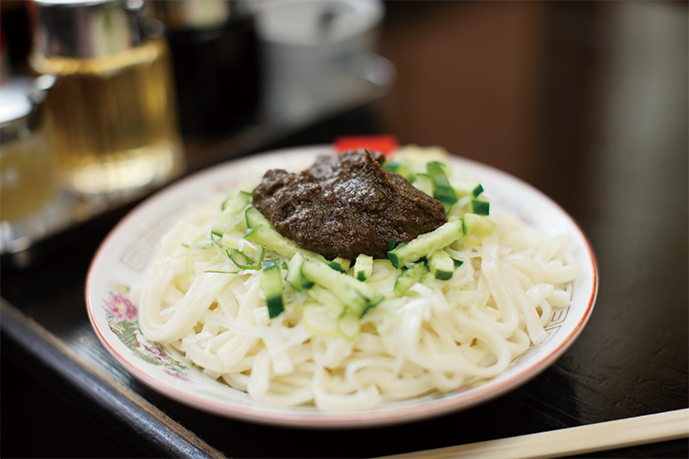
Morioka jajamen
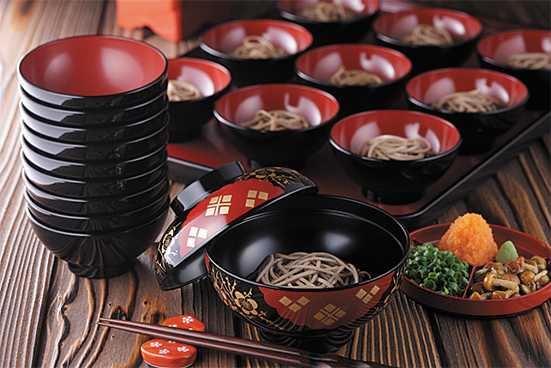
Wanko soba
Feel History Come Alive
Ichinoseki City
Honedera Village Shōen Ruins
Honedera Village Shōen Exchange Center
The Honedera Village Shōen Ruins are a valuable archaeological site where the landscape depicted in medieval estate (shōen) maps survives to this day. As a related property of the Cultural Heritage of Hiraizumi, the site is being promoted for inscription as part of an extension to the World Heritage Site. Nine areas identifiable on the maps, including halls, shrines, and caves, have been designated a National Historic Site. The topography, natural environment, and scenery remain well preserved, from winding waterways and irregularly shaped rice paddies to scattered homes protected by homestead woodlands known as igune. The area has therefore also been selected as an Important Cultural Landscape, called The Rural Landscape of Hondera, Ichinoseki. This rich rural landscape, shaped by people and nature over some 900 years, has attracted attention from across Japan as a quintessential example of the country’s traditional rural scenery. On site are the Honedera Village Shōen Exchange Center Wakamiko-tei and the rest facility Komagata-ya. Wakamiko-tei comprises an administration building and an exhibition hall. Through videos and displays, it explains the history and significance of the nationally designated Historic Site Honedera Village Shōen Ruins and the nationally selected Important Cultural Landscape, The Rural Landscape of Hondera, Ichinoseki in an accessible way. It also encourages interaction between visitors and local residents to help revitalize the area. The facility includes a restaurant and a direct-sales shop offering local products from the Hondera district.
PR
Senmaya Sake no Kura Exchange Facility
The Senmaya Sake no Kura Exchange Facility is a tourism and cultural exchange center housed in the nationally registered Tangible Cultural Property, Yokoya Sake Brewery and Former Sato Family Residence. The site retains the atmosphere of the late Meiji and Taisho periods, with a stylish, modern main house and Western-style building, sake-brewing facilities, and a tranquil garden. Yokoya Sake Brewery and the Former Sato Family Residence originally comprised 25 registered structures on a site of about 9,000 square meters: 12 buildings, including the Sato family’s main house, and 13 sake-brewing structures. All 25 were registered as Tangible Cultural Properties of Japan in 2003. Four were damaged in the Great East Japan Earthquake and subsequently demolished. The garden, once said to have been tended by four gardeners and to have contained 28 varieties of maple trees alone, offers a glimpse of the property’s former splendor. It survives today as a quiet place to relax. Admission to the Senmaya Sake no Kura Exchange Facility is free, so feel free to explore this atmospheric historic site.
Mochi Food Culture
In the Ichinoseki region, mochi is traditionally eaten on all kinds of occasions. Mochi dishes are prepared for annual events and seasonal milestones, but especially distinctive are mochi honzen meals served for both celebrations and mourning occasions, a food tradition unique to the area. The roots of the region’s mochi culture go back to the Edo period, when the Date domain’s ceremonial customs for celebrations and funerals began to spread from the daimyo to ordinary people. There was also a custom of offering mochi to the gods on the first and 15th of each month to pray for peace and safety. At the time, however, farming households had little to spare after paying annual taxes. They commonly made shina mochi by grinding broken rice and the like into flour, kneading it, and mixing it with assorted grains. People devised many different mochi dishes to make it more enjoyable to eat. In this way, deeply intertwined with farm work and everyday life, Ichinoseki’s mochi culture has been handed down over generations through the wisdom and ingenuity of many people. Around 300 varieties of mochi dishes have been passed down in the region, a diversity said to be among the greatest in Japan.
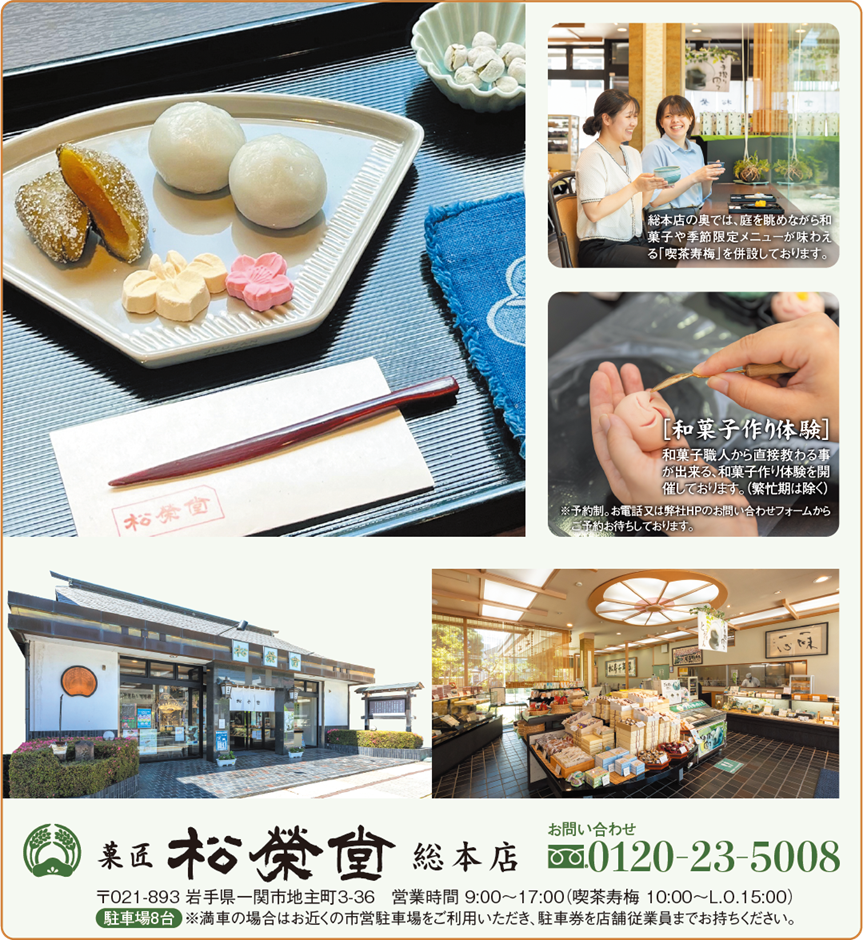
Shoyeido Main Store
Founded in 1903. We offer a variety of sweets, including our signature products ‘Tamura’s Plums’ and ‘Sesame Paste Dumplings,’ as well as seasonal Japanese sweets and gift items. While cherishing traditional flavors, we also create new sweets that suit the times, making us beloved by both locals and tourists.
The store also has an attached café, ‘Cafe Jubai,’ where you can enjoy freshly made fine Japanese confections and seasonal café menu items.
We also offer a ‘Wagashi Making Experience Class,’ where you can learn how to make Japanese sweets directly from our artisans. If you want to join, please make a reservation through our website.
[Address]
3-36 Jinushi-cho, Ichinoseki City, Iwate Prefecture, 021-0893
Park of Flowers and Springs
This flower-themed park features one of Tohoku’s largest tree peony gardens and a community plaza. From late April, the annual Tree Peony and Herbaceous Peony Festival is held, with 4,000 tree peonies in 320 varieties, 3,000 herbaceous peonies in 40 varieties, and an array of other seasonal flowers. The park also contains Japan’s only tree peony display garden designated by the Japan Tree Peony and Herbaceous Peony Association. At the Peony House inside the garden, visitors can try making handmade pizza in a stone oven. The Community Plaza has a restaurant and offers hands-on activities such as making herbariums and terrariums with flowers or creating mixed container plantings. At the adjacent indoor children’s facility, Kids Land Morley, visitors can enjoy a range of free activities including a sandbox, pretend fishing, and bouldering.
PR
Iwate Safari Park
Iwate Safari Park is an interactive wildlife park where animals from around the world roam broad grasslands. Visitors can drive among the herds in their own car or ride a safari bus, feeding animals as they approach. Along with close-up views of carnivores such as lions and tigers, visitors can feed giraffes and zebras that come right up to the vehicle. At Elephant Village, the popular Elephant Ride lets visitors ride on an elephant’s back. At the adjacent Animal Land, guests can enjoy the Flamingo Guide, interact with ruffed lemurs, and see capybaras, penguins, and snowy owls up close.
Recommended Food in This Issue
We’re introducing some recommended local gourmet spots!
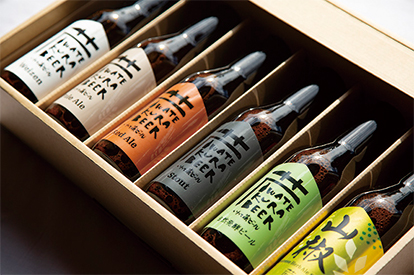
Iwate Kura Beer
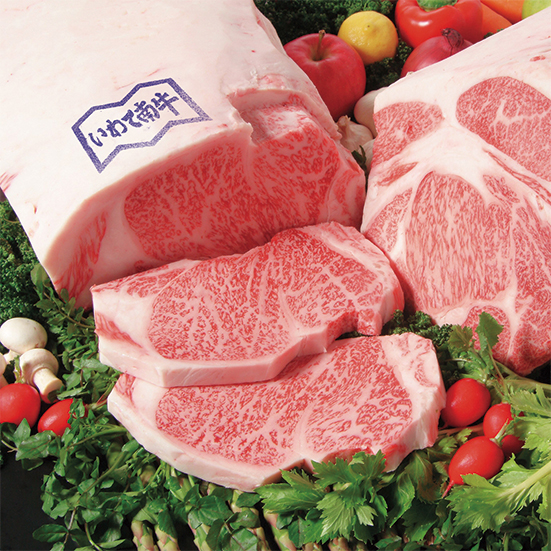
Iwate Minami Beef
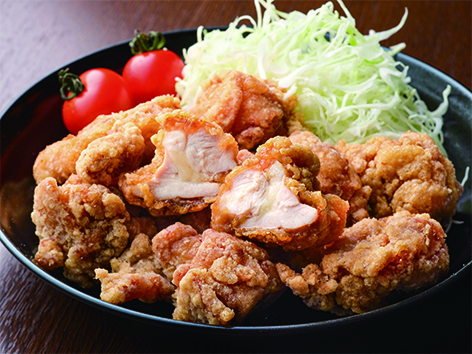
Murone Karaage
Kuji City・Hirono Town・Noda Village・Karumai Town・Kunohe Village・Fudai Village・Tanohata Village
Kosode Coast and Tsurigane Cave
One of the most iconic rock formations along the Kosode Coast, Tsurigane Cave is a rocky islet about 270 meters in circumference and 50 meters high, with a large sea cave opening alongside it. It is said that a bell-shaped rock once hung from the upper part of the cave. A legend associated with Tsurigane Cave tells of the strong bond between husband and wife: when a husband and wife die, they are said to meet here, ring the bell together, and set out for the Pure Land. The area around Tsurigane Cave is dotted with cliffs and unusual rock formations and is called Jodogahama (not to be confused with Jodogahama in Miyako City), one of the scenic highlights of the Kosode Coast.
Kokuji-yaki Pottery Garden
Kokuji-yaki dates back about 200 years to the late Edo period. It is said to have begun when the first-generation Kumagai Jin’emon learned the craft from Kazo, a potter invited from Soma, and then created a distinctive style of pottery using clay and glazes sourced locally in Kuji. Used mainly as everyday ware, Kokuji-yaki was also reportedly supplied to the Hachinohe Domain. Over time, it became so familiar locally that virtually every household was said to own one or two pieces. During the Meiji era, it was highly praised by Mingei movement figure Muneyoshi Yanagi when he visited the area. Glazes made with local clay are prized for their distinctive subdued tones and rustic simplicity. Traditional techniques are still passed down today, with each piece handmade on a potter’s wheel. Pottery classes are also available, allowing visitors to make an original cup or other item.
Kuji Amber
Kuji City is one of the world’s leading sources of amber. The amber found in this region dates back about 90 million years, to a time when dinosaurs still roamed the earth, making it one of the oldest types of amber used in jewelry worldwide. Amber, with its radiant amber-yellow glow, is tree resin from plants that once flourished on land and was buried in soil and sediment until it fossilized—in other words, a “fossil of resin.” Gemstones of plant origin, such as amber, are extremely rare. Kuji City is also home to Japan’s only amber museum, where visitors can learn about amber by seeing it, touching it, and taking part in hands-on experiences from a range of perspectives, including nature, culture, and art.
Oono Campus
Oono Industrial Design Center
Roadside Station Oono
Oono Campus is a hub for hands-on rural recreation where visitors can experience the “One Person, One Skill” Village concept, with attractions including Roadside Station Oono and the Oono Industrial Design Center. Try hands-on crafts taught by woodworking, pottery, and sakiori (rag-weaving) artisans, or interact with sheep and rabbits at the Animal Interaction Center. During the summer vacation period, the Forest Beetle Museum opens for a limited time. After a full day of activities, relax in a bath overlooking the highlands. In the evening, enjoy panoramic views of the night sky from the observatory atop Starfall Hill, famed for having the best starry sky in Japan. Connect with nature, savor Hirono Town’s cuisine and local specialties, and enjoy an overnight stay and a full range of leisure activities.
Tofugaura
For more than a thousand years, Tofugaura has been celebrated in poems by nobles of the capital as an utamakura—a place famed in classical Japanese poetry. It is also part of Sanriku Fukko National Park. Covered with distinctive reddish-purple pebbles known as azuki-suna, the coastline traces a gentle arc for 3.5 kilometers. It is a rare beach along the Sanriku Coast, which is otherwise known for its steep cliffs.
The Salt Road
Salt production once flourished in Tofugaura, and the salt made there—known as Noda Salt—was carried across the Kitakami Mountains toward Morioka and as far as Kazuno. Along an old mountain pass in Noda Village, a narrow trail once known as the Beko (Ox) Trail still remains. Trodden over many years by ox handlers and their animals carrying salt, the Noda Shio Beko no Michi (Noda Salt Ox Trail) is a tangible reminder of the route carved out by earlier generations. Noda Village still holds walking events along the trail twice a year, helping preserve this historic route. At Rikuchu-Noda Station on the Sanriku Railway, bronze statues of an ox handler and an ox evoke scenes from the past.
Millet Park
Karumai Town is known as the Village of Traditional Grains, where crops such as barnyard millet, foxtail millet, and amaranth—now attracting attention as health foods—are grown. Located halfway up Mt. Oritsume in a prefectural natural park, Millet Park is an outdoor destination where visitors can enjoy nature and prepare and share meals made with these grains. Designed for overnight stays, the park has a restaurant serving handmade soba noodles made with buckwheat from Karumai, soba-making workshops, eight cottages, and a campground. Why not immerse yourself in the area’s rural charm and natural surroundings while climbing or hiking Mt. Oritsume and taking in magnificent views of the Kitakami Mountains?
Karumai Cultural Exchange Center Ukamekan
Karumai Town is known as a sacred site among fans of a popular sports manga, attracting many visitors from Japan and abroad. As you walk its nostalgic streets, you may catch glimpses of scenes from the story. Why not begin your stroll through Karumai at Ukamekan, the town’s gateway?
The Karumai Cultural Exchange Center Ukamekan is a multipurpose community facility with four functions: lifelong learning, parenting support, a library, and tourism. With bus stops for several routes and an event hall, it is an ideal place to pick up information about the town. Bicycle rentals are available outside the winter season, making a rental bike a convenient way to explore Karumai.
PR
The Legendary Odode-sama
On the Kunohe Village side of Mt. Oritsume, within a prefectural park, five waterfalls cascade down the middle slopes along a forest road lined with colorful broadleaf trees. Each has its own name: Odode-sama Waterfall, Esashika Waterfall, Hime-machi Waterfall, Orihime Waterfall, and Osuzu Waterfall. A statue of Odode-sama is enshrined at Odode-sama Waterfall. Odode-sama is a mysterious bird from a Kunohe Village folktale, depicted with the upper body of an owl and the lower body of a human. It speaks human language and is said to possess mysterious powers, such as foretelling a person’s fortune and the weather and identifying illnesses. Another statue of Odode-sama is enshrined at Roadside Station Oritsume, and the creature is revered as a deity by local residents.
Osawa Bridge
This railway bridge carries the Sanriku Railway. Trains stop on the bridge for about one minute, allowing passengers to enjoy views of the ocean from the windows. It was also used as a filming location for a scene in the TV drama “Amachan” in which large flags used by fishermen to signal a large catch were waved, making it a must-see spot. At the adjacent Rest House Ushio, visitors can enjoy dishes such as sea urchin rice bowls and iso ramen while taking in the view.
Kurosaki Park
At Kurosaki, cliffs 150 to 200 meters high plunge almost vertically into the Pacific Ocean. At the tip of the cape stands Kurosaki Lighthouse, selected as one of the “50 Best Lighthouses in Japan” in 1998 and as a “Lighthouse in Love” in 2019. Nearby attractions include the 40th Parallel North Symbol Tower, the Carillon Bell, Kurosaki-so National Lodging House, and Kurosaki Observation Deck. The sunrise viewed from here is breathtakingly beautiful.
Haipe Coast
A beautiful, quiet cove with a private-beach-like atmosphere, Haipe Coast lies midway between Tanohata Station and Shimakoshi Station. On either side of the cove, the Raga, Tanohata, and Hiraiga Formations, which make up the Miyako Group, dip seaward at an angle of around 30 degrees. In contrast to the yellowish Miyako Group above, beneath the unconformity lies the grayish Koshimawari Formation, which formed in the deep sea and contains few fossils. This unconformity records the major geological upheaval that occurred when the Kitakami Mountains emerged as land.
Recommended Food in This Issue
We’re introducing some recommended local gourmet spots!
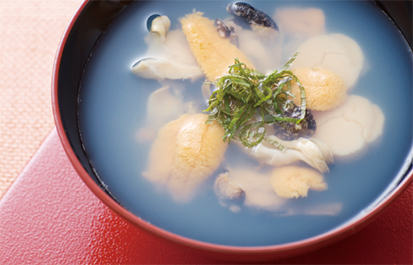
Ama Diver's Iso-jiru
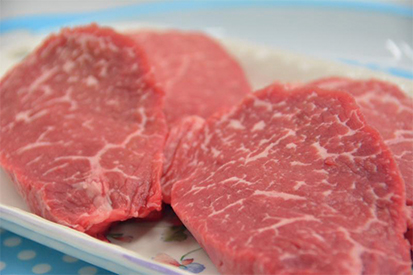
Iwate Kuji Yamagata-mura Shorthorn Beef
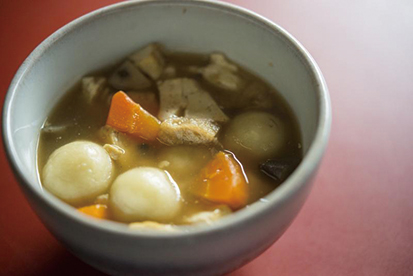
Kuji Mamebu-jiru
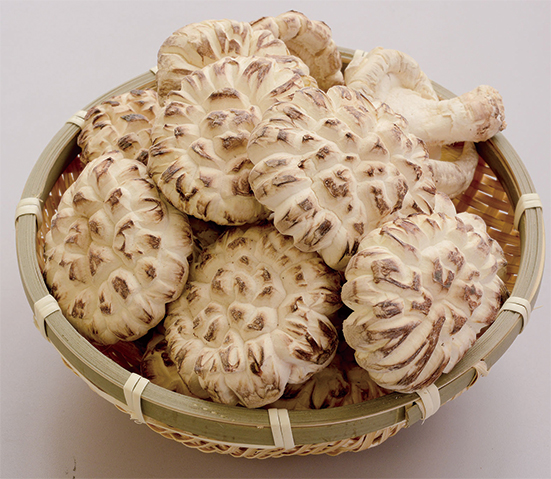
Hirono Log-Grown Shiitake Mushrooms
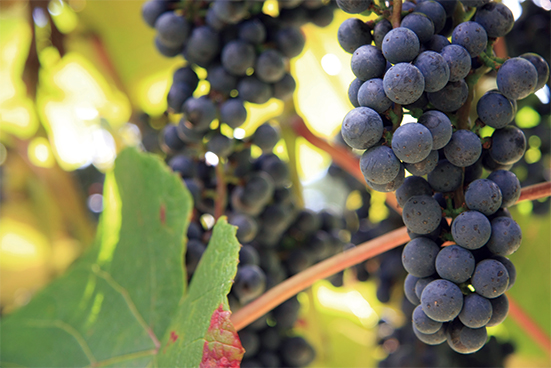
Noda Wild Grapes
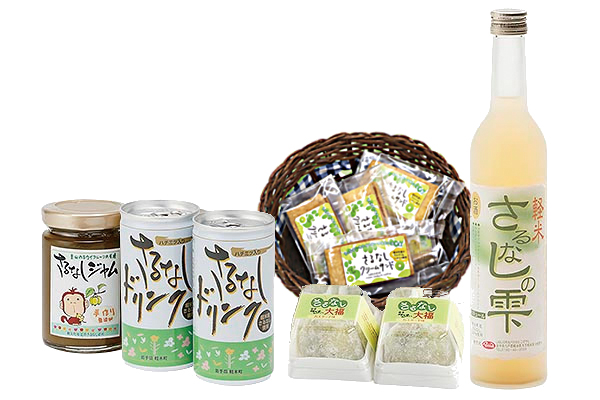
Karumai Sarunashi (Hardy Kiwi)
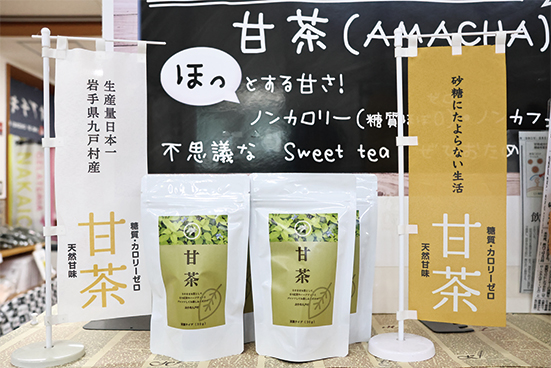
Kunohe Amacha (Sweet Hydrangea Tea)
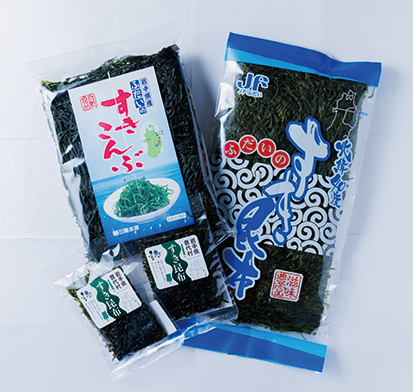
Fudai Suki-kombu (Thin-sliced Kelp)
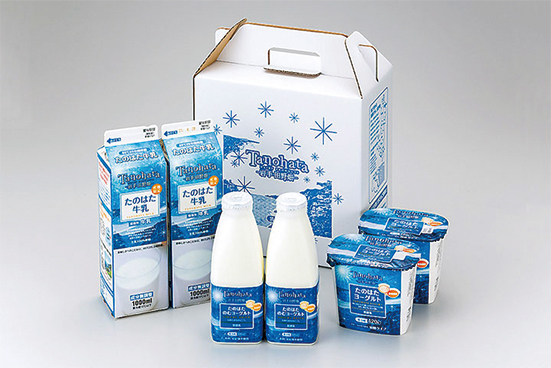
Tanohata Dairy Products

We’ll keep sharing the charms of different places!
Be sure to look forward to the next issue too.
【企画・制作】

株式会社近宣 盛岡営業所
〒020-0034 盛岡市盛岡駅前通16-16 第6近宣ビル